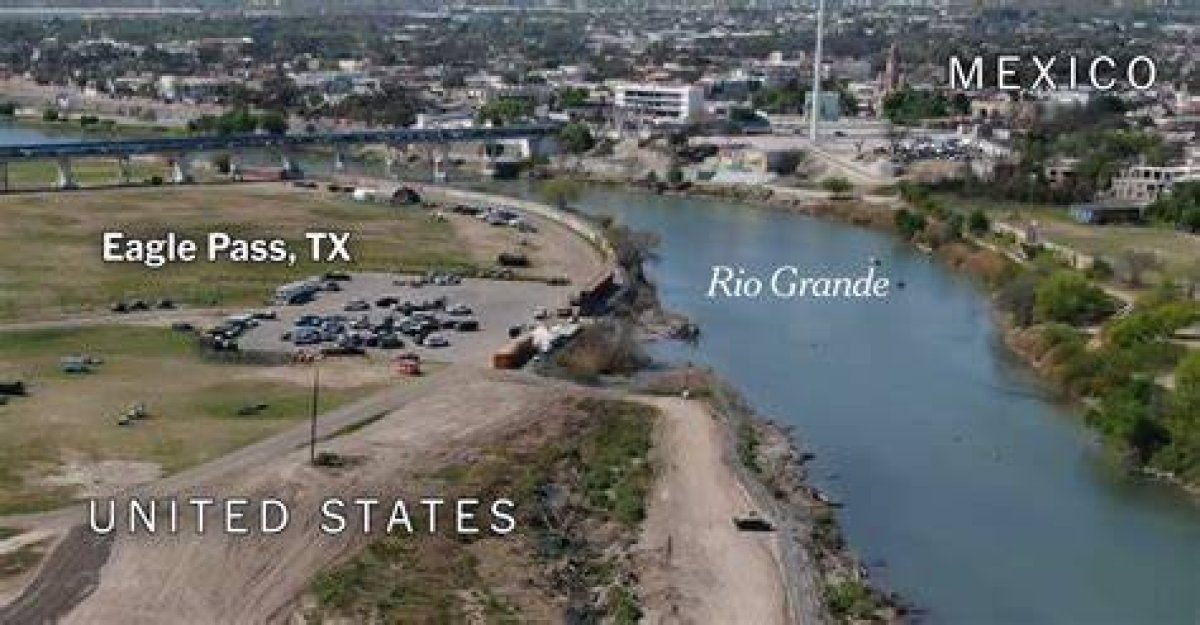
Eagle Pass, Texas, serves as a critical gateway between the United States and Mexico, playing a vital role in commerce, culture, and community interaction. Located along the Rio Grande, this border town is not only known for its strategic location but also for its rich history, vibrant culture, and unique attractions. In recent years, the dynamics of the border have been in the spotlight, bringing attention to various aspects of life in Eagle Pass. This article will delve into the significance of Eagle Pass as a border town, exploring its history, economy, culture, and the challenges it faces.
The Eagle Pass border crossing, officially known as the Eagle Pass Port of Entry, connects the city to Piedras Negras, Coahuila, Mexico. This route is heavily trafficked by both commercial and personal vehicles, highlighting its importance for trade and travel. As we navigate through this article, we will discuss the various factors that make Eagle Pass a focal point in the conversation about U.S.-Mexico relations, including the economic impacts of border activities and the cultural exchanges that occur daily.
Whether you're a resident, a visitor, or someone interested in the intricacies of border towns, this comprehensive guide aims to provide valuable insights into Eagle Pass, Texas. We will cover everything from its historical significance to contemporary challenges, catering to a wide audience eager to understand this unique area better.
History of Eagle Pass
Eagle Pass has a rich history that dates back to the 19th century. Originally inhabited by Native American tribes, the area saw significant change with the arrival of Spanish explorers and settlers. The establishment of the Eagle Pass town site in the 1850s marked the beginning of its development as a crucial crossing point along the Rio Grande.
During the Mexican-American War, Eagle Pass played a strategic role due to its location. The town continued to grow, becoming an important hub for trade and transportation in the region. Over the years, various historical events have shaped the community, resulting in a unique blend of cultures and traditions that still resonate today.
Significant Historical Events
- 1850s: Establishment of Eagle Pass as a town.
- 1846-1848: The Mexican-American War and its impact on the area.
- 1930s: Economic challenges during the Great Depression.
- Recent years: Increased focus on border security and trade.
Economic Impact of the Border
The economy of Eagle Pass is heavily influenced by its proximity to the Mexico border. The Eagle Pass Port of Entry is one of the busiest in the region, facilitating a significant amount of trade. This section will explore the economic benefits and challenges that arise from this border activity.
Key Economic Activities
- Trade and Commerce: Import and export activities between the U.S. and Mexico.
- Employment Opportunities: Jobs created in logistics, transportation, and customs services.
- Tourism: Visitors from Mexico contribute to local businesses.
According to the U.S. Customs and Border Protection, the Eagle Pass Port of Entry processes thousands of vehicles and pedestrians daily, highlighting its importance for the local economy. The economic interdependence between Eagle Pass and Piedras Negras fosters a unique relationship that benefits both communities.

