In the digital age, the emergence of deepfake technology has sparked significant interest and concern, particularly through platforms like MrDeepfake. This innovative technology allows users to create hyper-realistic videos by manipulating existing footage, often leading to both creative and controversial applications. As the world grapples with the implications of such advancements, it's crucial to understand the intricacies of deepfake technology, its uses, and the ethical considerations surrounding it.
The rapid advancement of artificial intelligence has made deepfake technology more accessible to the general public, raising questions about its impact on society. MrDeepfake serves as a notable example, providing tools that enable users to create their own deepfakes easily. However, with great power comes great responsibility, and the potential for misuse cannot be overlooked. This article delves into the world of MrDeepfake, exploring its functionality, potential applications, and the ethical dilemmas it presents.
As we navigate through this comprehensive guide, we will highlight the importance of understanding both the technical aspects and the societal implications of deepfake technology. By the end of this article, readers will gain valuable insights into MrDeepfake and the broader context of deepfake technology in today's digital landscape.
Understanding Deepfake Technology
Deepfake technology utilizes artificial intelligence and machine learning to create realistic-looking fake videos by swapping faces or altering speech patterns. The term "deepfake" is derived from "deep learning," a subset of AI that involves neural networks capable of processing vast amounts of data. By training these networks on extensive datasets, they can generate content that closely resembles the original material.
Key components of deepfake technology include:
- Facial Recognition: Identifying and mapping facial features to accurately swap faces in videos.
- Generative Adversarial Networks (GANs): A type of neural network that pits two models against each other to improve the quality of generated images.
- Video Synthesis: The process of creating new video content by manipulating existing footage.
A Brief History of Deepfake Technology
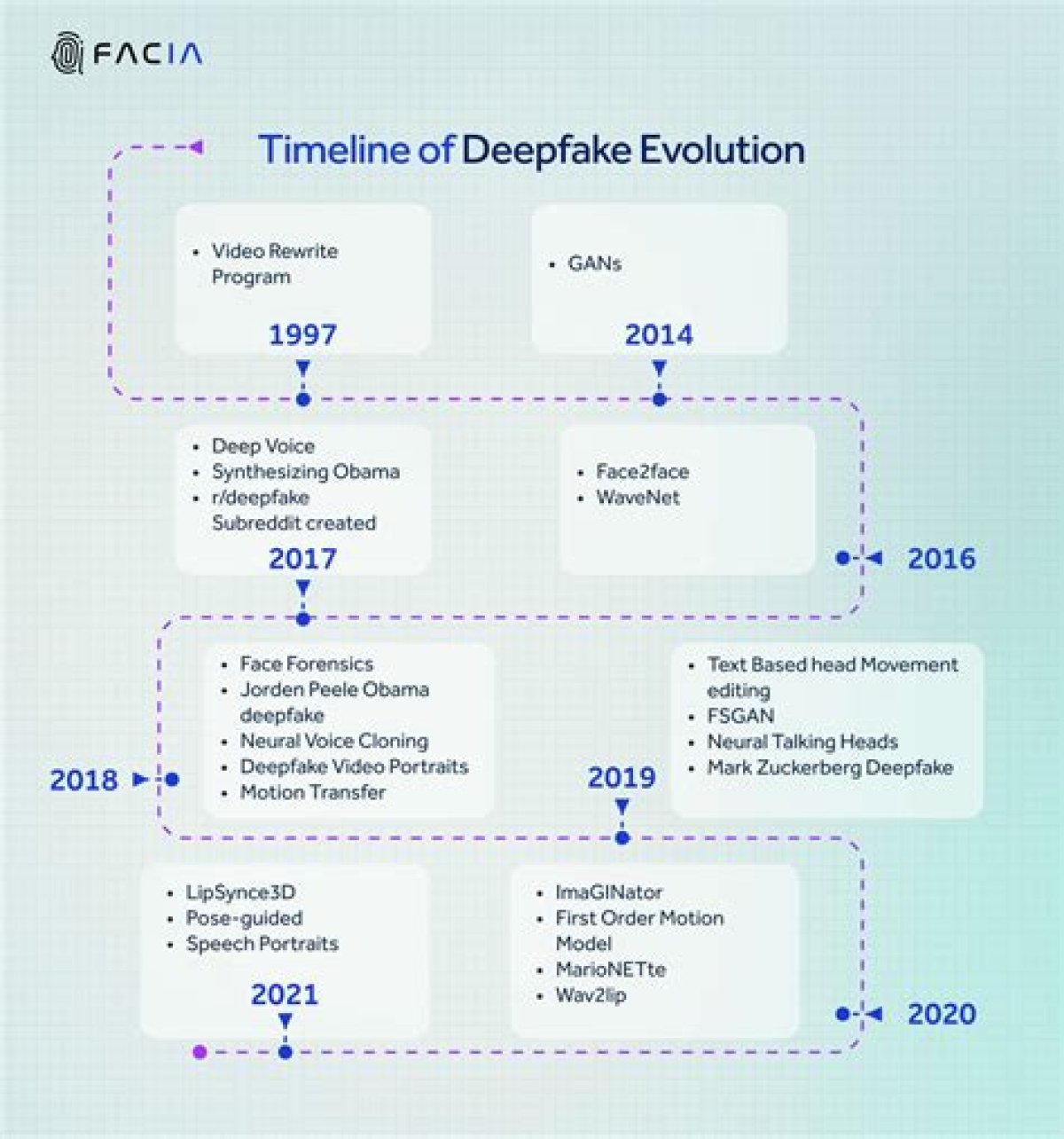
The concept of deepfake technology has its roots in the development of AI and machine learning. The term "deepfake" first emerged around 2017, when a Reddit user began creating manipulated videos using deep learning algorithms. Since then, the technology has evolved rapidly, leading to both innovative uses and significant concerns regarding privacy and misinformation.
Notable milestones in the history of deepfake technology include:
- 2017: The first deepfake videos surface on social media platforms.
- 2018: The technology gains mainstream attention, prompting discussions about its potential dangers.
- 2020: Various platforms, including MrDeepfake, emerge, providing tools for easier creation and sharing of deepfake content.

