As technology advances, the Internet of Things (IoT) continues to revolutionize the way we interact with devices and systems. However, one common challenge faced by organizations and individuals is managing IoT devices behind a firewall. Understanding how to use RemoteIoT behind a firewall is crucial for maintaining secure and efficient connectivity while protecting sensitive networks.
Whether you're working in a corporate environment or managing personal IoT devices, ensuring secure communication between devices and external networks is paramount. This article will explore the steps and strategies required to effectively use RemoteIoT behind a firewall, ensuring both functionality and security.
By the end of this guide, you'll have a clear understanding of the technical aspects, best practices, and tools needed to overcome firewall restrictions while maintaining robust IoT connectivity. Let's dive in!
Introduction to RemoteIoT
In the realm of IoT, RemoteIoT represents a cutting-edge solution for managing and monitoring devices remotely. This technology enables seamless communication between IoT devices and centralized systems, even when they are located behind firewalls. The ability to control and access devices from afar is particularly valuable in industries such as manufacturing, healthcare, and smart home solutions.
RemoteIoT leverages advanced networking protocols and encryption techniques to ensure secure data transmission. By integrating with existing infrastructure, it simplifies the process of managing large-scale IoT deployments while maintaining network security.
This section provides a foundational understanding of RemoteIoT and its significance in modern IoT ecosystems.
Understanding Firewalls and Their Role
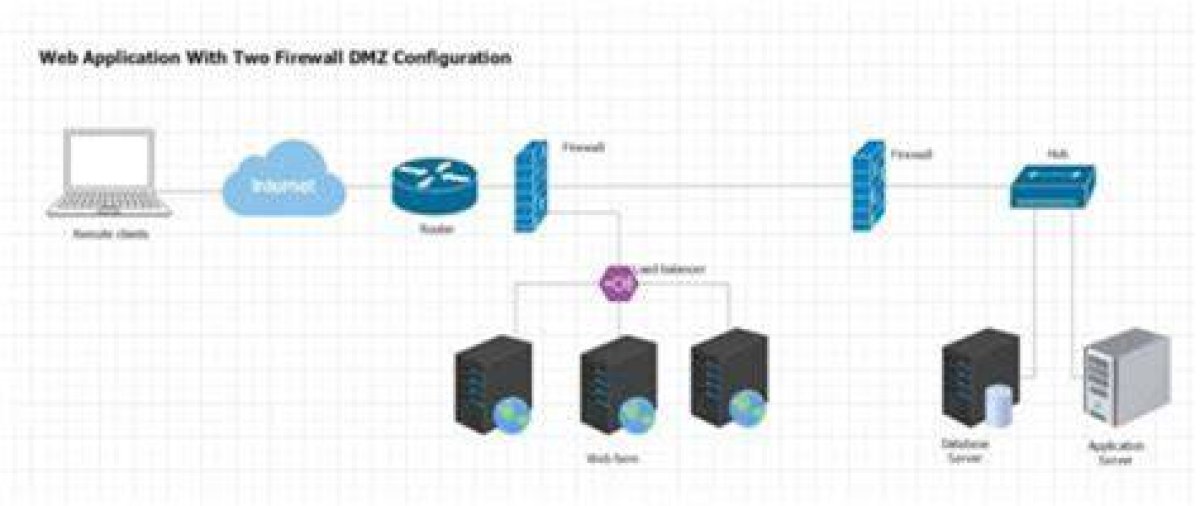
A firewall is a network security system that monitors and controls incoming and outgoing network traffic based on predetermined security rules. Its primary function is to act as a barrier between trusted internal networks and untrusted external networks, such as the internet. Firewalls play a critical role in protecting sensitive data and preventing unauthorized access to networks.
Types of Firewalls
There are several types of firewalls, each designed to address specific security needs:
- Packet Filtering Firewalls: Examine packets at the network layer and allow or deny them based on predefined rules.
- Stateful Inspection Firewalls: Track active connections and evaluate packets in the context of the connection state.
- Application-Level Gateways: Operate at the application layer and provide advanced filtering capabilities.
Understanding the role of firewalls is essential when deploying RemoteIoT solutions, as they can impact device connectivity and data transmission.

